
New School Year, New Homework Strategies That Work

New School Year, New Homework Strategies That Work

written by Dr. Liz Nissim, posted on Psychology Today

Ready or not, here it comes — homework! Regardless of their age, our children, teens, and young adults will need to get through their assignments. It’s a skill, actually, a strategic skill that requires executive functioning that can make a difference between school feeling like a torture chamber or something your kid is confident they can do.

Create a Designated Space

Our kids and teens need a designated place, other than their bed, where they have space for their planner, books, notebooks, and folders. Sprawl if you wish. Keep the surface free of any other items. Place all pencils, paperclips, post-its, pens, tape, etc., inside the desk. Take out one subject at a time with its items. When done, place those items back inside the backpack, and move on to the next assignment. Your child or teen’s desk should be placed away from a window or doorway and against or between two plain walls.

A clearly designated place for homework, studying, and writing papers helps to create a boundary around the space and its purpose. It also gives a sense of control over the space and the goal that is to be accomplished while in this space. There is no time or energy spent answering the question “where am I working on my homework?” each day, and there is little time spent trying to prepare the space for an assignment. It is reset at the end of each night and is ready again for the next day.

Getting Started

At the end of the school day, our kids are spent and don’t want to work onmore schoolwork. Our kids of all ages can take some sort of movement break before starting homework, which may mean a bike ride, jumping on the trampoline, taking a walk, lifting weights, crab walks, bear crawls — something that creates physical regulation and brings attention back to the goal – homework getting done.

Now that you and your child/teen/young adult have a designated space, it’s time to get a designated start time. Initiation, or getting a task like homework (a low preference task) started, is really difficult. Our children and teens often procrastinate because the assignment seems boring, or it feels like it’s going to take a long time.

After a movement break and a snack, let’s get it started! Work on a few problems at a time, writing one paragraph at a time, reading a few pages at a time, and breaking down the assignment enough so that it’s getting done.

Co-Regulating With Your Anxious Child in the New School Year

Co-Regulating With Your Anxious Child in the New School Year

written by Dr. Liz Nissim, posted on Psychology Today

Here we are again! It’s September, and it’s back-to-school season. This new “season” brings on new routines and… anxiety. For some children, the new year brings on excitement, and for others, it can trigger stress and even resistance to the new routine. This is especially true for our children, teens, and young adults with attention-deficit/hyperactivity disorder (ADHD), learning differences, or anxiety.

As parents, we can often get “lost” in the “what” needs to happen between the end of the summer and the beginning of the school year with school supplies, new sneakers, backpacks, lunch boxes, etc. Our children sit with this impending change and often dread the new school year with all of its newness.

What can we do to help our children through this transition? We can learn to regulate our own anxieties about the new school year and the returned demands for completing homework, back-to-school nights, extracurricular practice, and game times, etc.

Our kids are watching. If we can manage our stress and monitor our reactions, our children will use it as a reference point, and instead of worrying, they may be better able to adjust to the transition. That is, instead of mirroring our children’s anxiety about the new school year, let’s counteract it by finding ways to ease into the new school year.

Co-regulation = when our children, teens, and young adults learn how to manage stress by watching and feeling how their caregivers respond. When parents stay regulated, children feel safer and more capable of handling challenges.

Here are three ways we can model calm behavior to support our children’s, teens’, and young adults’ emotional growth.

Regulate Thyself

Kids often mirror their parents’ emotional state. If we rush, yell, or are visibly anxious, our children interpret the situation and upcoming activity as stressful. This also revs up your child’s nervous system, and the underlying message is: “This is not a safe situation/activity.”

  • If your child is showing visible signs of anxiety or is having a meltdown, take a big breath and ground yourself.
  • Speak slowly to your child with a lower-medium volume as this communicates the message, “I’ve got this, and we’ve got this.”

You can make statements such as: “I know this feels stressful, so let’s take a deep breath together before we get ready to leave for soccer.” This says, “I see you, and let’s calm our bodies together.”

As parents, prepare in advance. For example, if you know your child is going to need their football uniform on Wednesday, wash it in advance. Make lunches the night before. Pack up backpacks the night before and choose clothing for the morning. The more that can be done in advance, the less you have to look for or put together before you have to walk out your door.

From a Teacher: 7 Tips for Parents for the First Month of School

From a Teacher: 7 Tips for Parents for the First Month of School

written by Mary Jo Wyse, posted on iMom.com

Jitters. I’d get my class lists, finalize my lesson plans, and buy a new pair of shoes (tradition, of course). But with the first day looming, my jitters didn’t go away. They increased. I felt like one of the kids: excited, but nervous. But because students and teachers probably feel the same way, there’s some advice for parents during the first month of school that could help us all.

Little shifts in thinking and speaking to your kids at home can go a long way toward improving their behavior and focus in the classroom. When kids are attentive, teachers have more time to teachand to get to know each student. If you want to help your kids get off to a great start, here are 7 tips from a former teacher with advice for parents during the first month of school.

1. Transition your kids from vacation mode to learning mode.

For the last several weeks, kids have probably enjoyed a less-structured schedule with lots of fun and play during the day. While we still want kids to have fun at school, it’s a different type of fun. And it helps if parents start shifting kids into learning mode so they’re ready to go. It’s like taking off one hat and putting on another. Talk to your kids about this shift: Going to school is your job right now. That means listening to your teachers, trying your best, and being a helpful and kind classmate.

2. Start talking about a growth mindset.

No one child is going to be the best at everything. We know this as moms, but many kids might not. Things are supposed to be more challenging this year. Start encouraging a growth mindset with your kids: It takes time to learn how to read. You may not be able to do this math now, but with practice, you’ll get there. Sharing this wisdom at home will make their attitudes (and effort!) better in the classroom.

3. Encourage effort over results.

If your child is trying hard, that’s what teachers want to see. The grade at the end of an assignment matters less. Years from now, no one will remember the grade. But your child’s effort, diligence, and determination will carry her through every challenge, every school year. So, praise her for that persistence you’re witnessing at home. I love how you keep at it! Wow—you have a lot of grit! Keep it up! Your child will hear your words and apply that effort in the classroom as well.

4. Kick them outside to burn off energy.

If you haven’t been on a school playground during recess, it’s a sight to see—so much pent up energy bursts through these kids’ bodies. When they head back inside, they’re ready to return to work. And it’s true—the CDC says that recess improves kids’ memory, attention, and concentration. I’ve seen it with my own kids as well. Playing outside, getting fresh air, and burning off steam after school also helps them sleep better at night. Walking the dog, playing on a backyard play set, or taking a bike ride around the block all count.

Back-to-School Tips for Families

Back-to-School Tips for Families

posted on Healthy Children

Before it’s time to head back to school, use these tips to help ensure your child has a safe, healthy and happy year.

Make the first day of school easier for kids

  • Take your child to visit the new school or classroom before the first day of school. Attend any available orientations and take an opportunity to tour the school. You can also bring your child to school a few days prior to class to play on the playground to help them feel comfortable. Many children get nervous about new situations, including changing to a new school, classroom or teacher. It can be helpful to rehearse heading into the new situation.
  • Remind your child that teachers know that students may be nervous about the first day of school; they will make an extra effort to make sure everyone feels as comfortable as possible. If your child seems nervous, ask them what they are worried about and help them problem-solve ways to master the new situation.
  • Point out the positive aspects of school starting to help your kids look forward to the first day of class. Talk about how they will see old friends and meet new ones, for example.
  • Find another child in the neighborhood you child can walk to school or ride with on the bus. If you feel it is needed, drive your child (or walk with them) to school and pick them up on the first day. Get there early on the first day to cut down on unnecessary stress.

Develop a healthy sleep routine

  • Help your child adjust to earlier bedtimes a week or two before the new school year starts, just to help them ease into new routines. Set a consistent bedtime for your child and stick with it every night. Getting enough sleep is critical for kids to stay health and be successful in school. Not getting enough sleep is linked with lower academic achievement, as well as higher rates of absenteeism and tardiness. (See Healthy Sleep Habits: How Many Hours Does Your Child Need?)

  • Create a bedtime routine that is consistent to help your child settle down and fall asleep. For example, a calming pre-bedtime routine may involve a bath/shower, reading with them, tucking them in and saying goodnight.
  • Have your child turn off electronic devices well before bedtime. Try to have the home as quiet and calm as possible when younger children are trying to fall asleep.

10 Back-to-School Tips for Kids and Parents

10 Back-to-School Tips for Kids and Parents

posted on The Personal

Tips for getting kids ready for back-to-school

Whatever their age, many kids are apprehensive about starting school or going back to school. The good news is there’s a lot you can do to ease their minds and help them get ready for a new school year.

1. Early to bed, early to rise

Getting back into a school sleep schedule won’t happen overnight! A few weeks before school starts, get your child into the habit of going to bed earlier. Gentle winding-down activities such as bath time and reading before bed can help your child relax.

2. Re-establish a routine

Establishing a consistent routine is important for kids. Write out the steps in the routine and rehearse them with your child. In the evening, this could include doing homework, playtime, brushing their teeth, having a bath, and reading before bed.

3. Encourage independence

Children who play an active role in preparing for back to school – such as choosing and organizing school supplies and new clothes – are more likely to get excited about going back to school, which in turn eases their jitters. Is your child old enough for chores like emptying the dishwasher or making lunches? Daily, age-appropriate tasks will help your child gain independence and confidence.

4. Choose the right backpack

Backpacks that are too heavy or worn improperly could result in muscle strain, headaches, and neck pain. Try to choose a backpack made of sturdy, lightweight fabric with wide, padded straps that will support your child’s shoulders. Watch that they don’t sling it over just one shoulder.

5. Talk about safety

Review outdoor safety rules – things like looking both ways before crossing the street, taking the same route every day if they are walking, familiarizing themselves with crosswalk rules, and being cautious in talking to strangers.

6. Establish healthy habits

Involve your children in choosing and preparing healthy lunches and snacks. Help them find physical activities they enjoy. Take them shopping for healthy snacks and lunch items they can pack themselves. Try to stick to regular meal times.

7. Limit screen time

Back to school is the perfect opportunity to re-establish screen time limits. Why not have the whole family “unplug” in the evenings before bedtime? Choose a spot where everybody can charge their devices overnight. Use an alarm clock instead of a cellphone to wake up in the mornings.

8. Map it out

If your kids are starting at a new school, practice walking or driving to the bus stop or to the school building a week or two before school starts. You could even play in the school playground before school starts. This creates fun memories associated with the school before summer vacation ends.

9. Talk about first-week jitters

Reassure your child that being nervous is natural – even for teachers. You can help your child cope with these feelings when you:

  • Let them express their fears. Perhaps you can offer stories of your own first-day jitters when you were a child.
  • Teach them to breathe deeply and slowly to calm their nerves.
  • Discuss the scenarios that worry them. For example, if they’re worried about who to sit with or talk to on the first day, help them plan a strategy and rehearse it so they’ll know what to do.

10. Celebrate the start of a new school year

If you celebrate the first day of school, your kids will see back-to-school as a transition they can really enjoy. Try a back-to-school party the day before school starts, complete with cake, balloons and educational gifts. And don’t forget to take a picture on the front step in their first-day-of-school outfits. It’s going to be a great year!

Anxiety and Friendships: New School Year, Fresh Start

Anxiety and Friendships: New School Year, Fresh Start

written by Dr. Liz Matheis, posted on Psychology Today

The start of the school year can breed anxiety for parents of anxious children, teens, and young adults. Although your child may want and seek and desire friendships, this may be an area that needs some coaching with the fresh start of a new school year.

So, what are you, as the parent of an anxious child, teen, or young adult, to do in an effort to help your child learn how to connect with other same-aged peers, build the skills to manage situations that don’t go their way, and maintain friendships over time? This is a difficult task because you hurt for your child when you see conflicts, when you hear words like, “She’s being mean to me,” when you notice that your and your child’s invitations for playdates are not being answered or reciprocated, or when you find that your teen or young adult is not being included in social plans.

Keep Your Ears Open

For young children (elementary-aged), I encourage parents to invite a friend over to play and to keep a listening ear from the next room. That is, take note of how your child interacts with his peers. For example, is your child bossy? Or, is your child quickly backing down to what the other child wants to do but then voicing to you later that the playdate was not fun because they did not get to play the games they wanted?

Listen to how your child manages negotiations and compromises, if at all. Are you hearing, “If you don’t play this game with me, then you’re not my friend”? Take note of which games your child enjoys and if the other child is joining them.

All of this information gives you insight into how your child is interacting with other children when you are not within earshot. You are also gaining valuable information about your child’s preferences, conflict resolution skills, and social personality. And try to maintain a schedule of one playdate per week, as friendships are built outside of school. Although this is difficult for working parents, make it a point to organize one social plan for each of your children per week.

For older children (middle school and older), the car is a great place to get a vibe check on what’s happening in your pre-teen and teen’s social world. Volunteer to drive your child and friends around and let the conversations go. The quieter you are in the driver’s seat, the more they forget you’re there and speak openly and candidly.

Setting A Routine for Success at School

Setting a Routine for Success at School

written by Neetika Prabhakar, posted on PBS

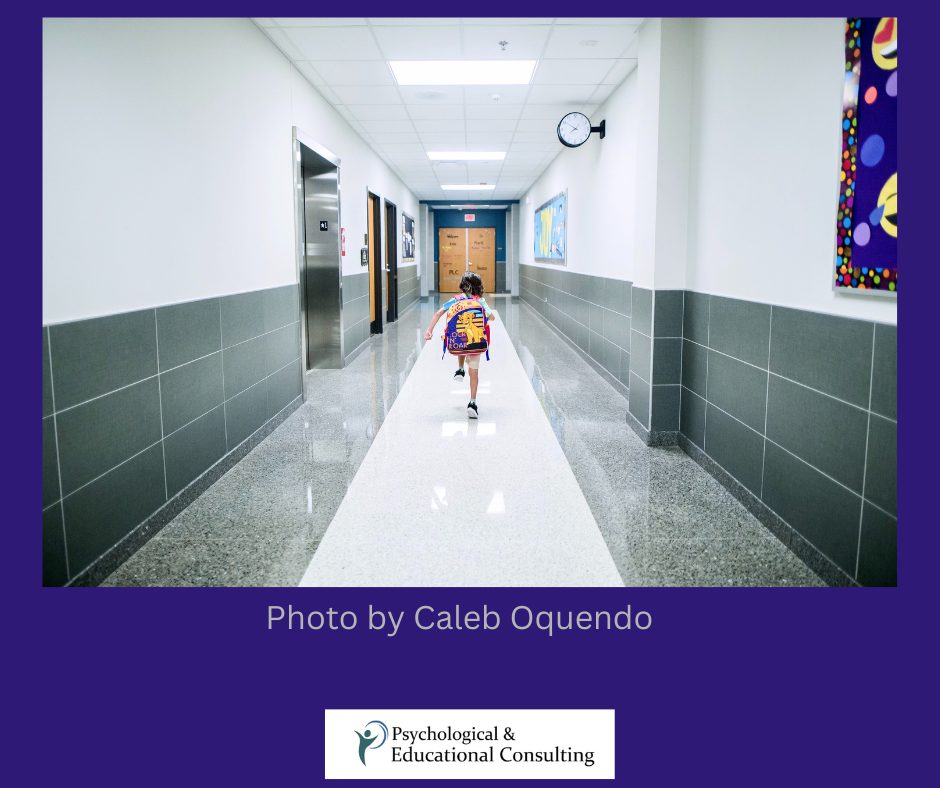
We’ve all been there. Sometimes, it’s just not easy to get up and get going in the morning. For young children who are still developing the ability to cope with new situations, preparing to have a successful day at school can feel overwhelming. Yet, there are tactics parents can use to help their kids leave the house feeling healthy, confident, and energized. You can reduce your child’s anxiety and help them feel empowered for success by establishing a predictable routine. Following a schedule each day makes children feel safer and happier, which often leads to better behavior and cooperation. When they know what to expect, and what’s expected of them, kids feel more comfortable and confident about what lies ahead.

Five Ways to Beat Back-to-School Jitters

Five Ways to Beat Back-to-School Jitters

written by Katie Hurley, LCSW, posted on PBS

It’s that time of year again: Summer is winding down and families are preparing for the new school year. Whether your child is headed to kindergarten for the first time or returning for another year of preschool, the transition from summer to school is packed with emotions.

It’s perfectly natural for even the most enthusiastic young learner to feel nervous and uncertain. A new school year comes with a new classroom, a new teacher and new classmates. The classroom rules and routines are likely to change, as are the behavioral and academic expectations. It’s a lot to manage when you’re young.

Many children struggle to find the words to describe how they’re feeling when under stress, so it’s important to watch for behavioral changes. You know your child’s baseline. If your child normally falls asleep easily and sleeps through the night, but begins to struggle with bedtime or has nightmares or night wakings as the school year approaches, this is a good indicator that your child is experiencing anxiety. Other signs of stress can include the following:

  • Sleep disturbance
  • Changes in eating habits
  • Mood changes
  • Clingy behavior
  • Increased frustration
  • Frequent meltdowns
  • Decreased social interactions
  • Refusal to engage in normal daily activities

While many children will enter the first day of school without a worry, it does help to spend time focusing on the emotional needs of your child as the transition approaches. Take these steps to help your child prepare for a new school year.

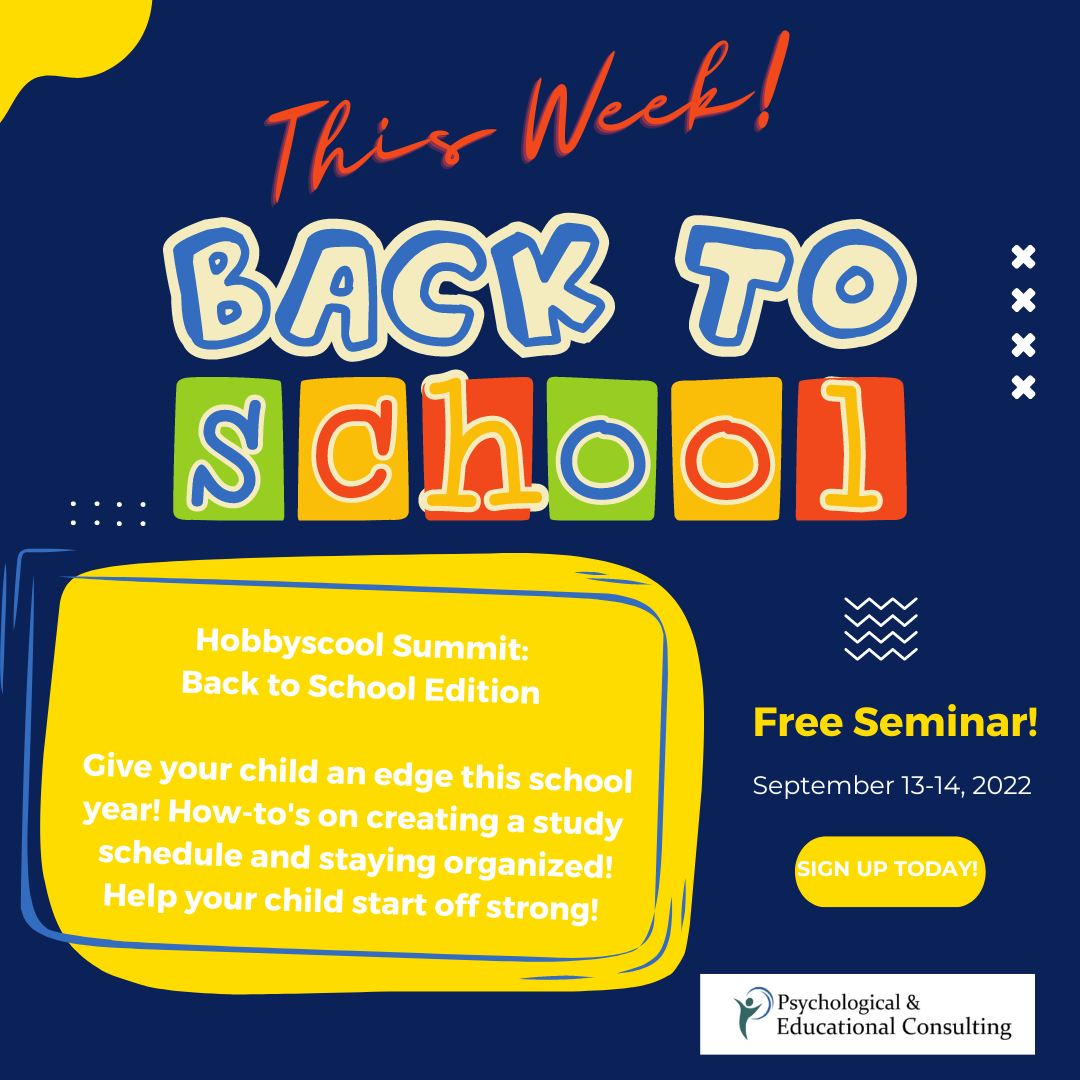
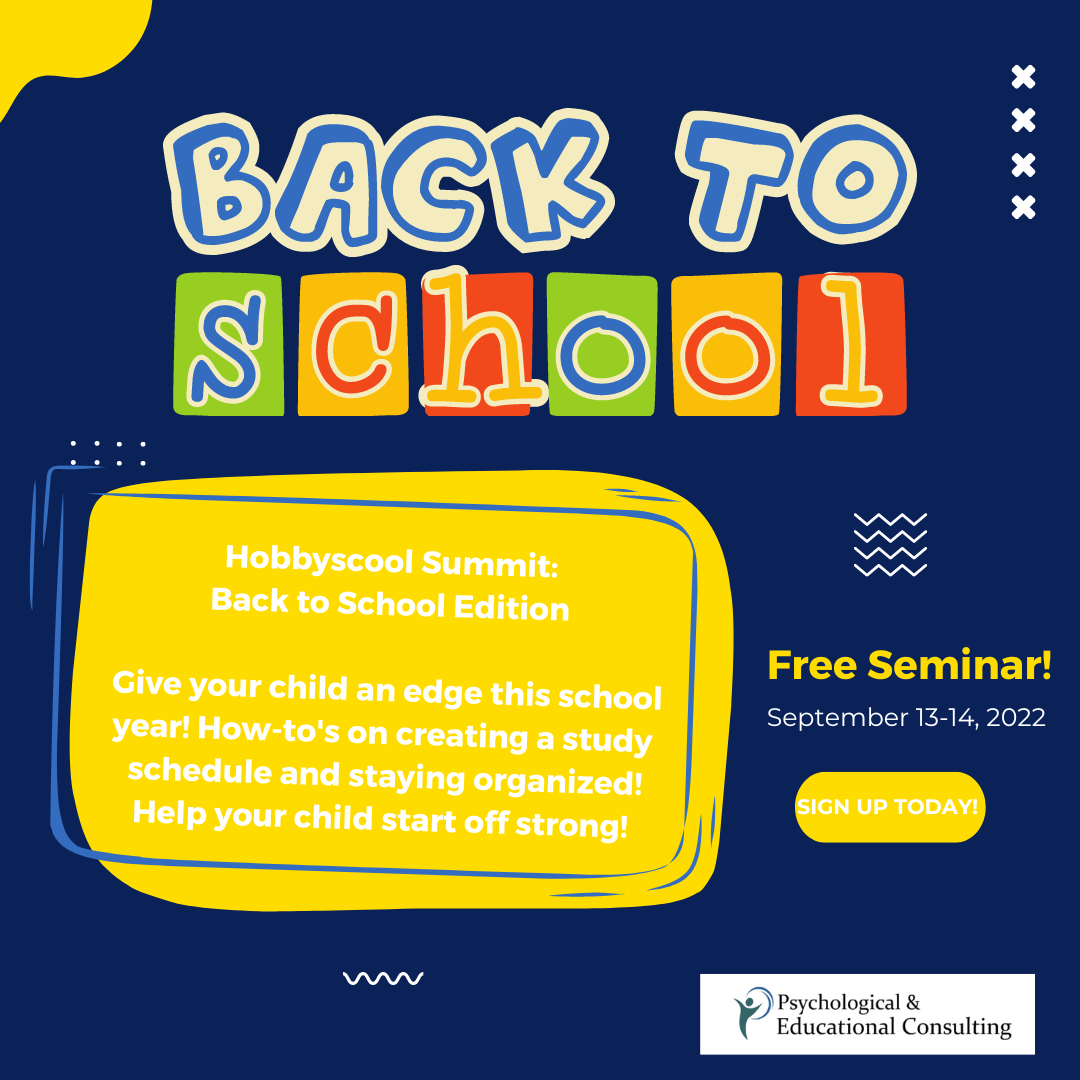
HobbyScool Summit: Back to School Edition

The HobbyScool Summit: Back to School Edition

Are you concerned that your child isn’t quite ready for the new school year? Don’t worry – the Back to School Summit has you covered! This online summit will help you and your child be prepared for the upcoming school year. 

This free event kicks off on Tuesday, September 13th and features 19 speaker presentations that will cover topics such as how to set goals, how to study smarter, and how to get organized to set your child up for success in the school year.

Who doesn’t want that?

Our very own Dr. Liz Matheis will be speaking on the topic of: Managing Back to School Anxiety.

So why wait? Sign up today and guarantee your child’s success in the new school year! Get your free ticket by clicking the box below! Excited to see you there!

"The various psycho-educational testing Dr. Liz conducted on our son gave us critical clues about where his learning strengths and weaknesses lie so that his needs could be better addressed at home and school. Moreover, because of their warm, kindhearted personalities, both Dr. Liz and her associate, Stephanie, formed an immediate bond with my son. He eagerly looks forward to his weekly therapy sessions. We are so lucky Dr. Liz came into our family's lives when she did! For stressed-out families trying to help their children as best they can, she is a calming voice of reason!"
- Julie C.
"Dr. Matheis has a remarkable ability to understand the unique needs of her patients and address them constructively. She builds strong, meaningful relationships with patients and their families, encouraging trust and collaboration. When working with my son who struggles with autism-related anxiety, she created an environment in which he was able to calm down and open up to her in ways I had not seen before. She was able to reach him and helped him work through his crisis/problem. Most importantly, she empowered him to move forward."
- N.L.
"Dr. Matheis is amazing. She has tremendous resources and loads of energy. She is not willing to accept anything less than the most effective results for her clients. She made me feel as if my son was her top priority throughout the entire process. I would, without reservation, give her my highest recommendations.  Thank you, Dr. Matheis!"
- Anonymous
"Dr. Matheis has an amazing ability to read kids and connect with them. She has been an invaluable resource for our family over the past several years and has helped us with everything from educational consulting, to uncovering diagnoses as well as family therapy. Working with Dr. Matheis never feels clinical and most importantly, our children love and trust her. We can not thank you enough Dr. Liz!"
- Anonymous
"My teenage son had been seeing Dr. Matheis through his senior year of high school, as he was only diagnosed with ADHD at 16 years old.  Dr. Matheis came highly recommended from our pediatrician and she has done wonders for our son as well as our family, navigating new ways for him to deal with his diagnosis without the use of medication.  She taught him ways to organize himself and even when something did not work for him, she patiently continued teaching him new ways to keep himself on track.  She has also helped us as parents to understand how his mind works so that we did not continue to blame his lack of focus on him, rather on his unique way of thinking.  Thank you Dr. Matheis!!!!"
- LG
"Dr. Liz is the best! Our family was directed to her by our Pediatrician to assist with figuring out severe mood changes, severe anxiety, strange new fears and food aversion that had come onto one of our children literally overnight. After just a couple of visits, she suggested that the issues may actually be rooted in a physical issue and suggested we immediately take our child to be swabbed for strep, because Dr. Liz suspected PANDAS (a pediatric autoimmune disorder brought on by strep). The same Pediatrician that suggested Dr. Liz would not do the swab (they do not believe in PANDAS and we no longer go there) but I took my child to my doctor who did the swab and it was positive for strep. When our child went on antibiotics, within 24 hours all symptoms went away and our child was back :-) Dr. Liz then recommended a PANDAS specialist who helped us and our child is in complete remission and is happy and healthy. We are incredibly grateful to Dr. Liz for her knowledge of all things, even the most remote and unusual and for helping us so much! Thank you!"
- Anonymous
"The various psycho-educational testing Dr. Liz conducted on our son gave us critical clues about where his learning strengths and weaknesses lie so that his needs could be better addressed at home and school. Moreover, because of their warm, kindhearted personalities, both Dr. Liz and her associate, Stephanie, formed an immediate bond with my son. He eagerly looks forward to his weekly therapy sessions. We are so lucky Dr. Liz came into our family's lives when she did! For stressed-out families trying to help their children as best they can, she is a calming voice of reason!"
- Anonymous
"Thank you, Dr. Liz. Although we have told you countless times, it will never feel enough. You have listened when J could barely speak and continued to listen when he was sad, angry and confused. You've challenged him and directed us in our roles as parents. You've helped J face his fears while the list evolved and changed, and yet you've stayed committed to 'the course.' We pray that your children realize that time away from them is spent helping children learn and that vulnerability is a sign of strength and bravery."
- June I
"My son was admitted to an Ivy League school when only 2 years ago, you assessed him and saw his struggles, his Dyslexia. We are grateful that he no longer has to carry that deep feeling of inadequacy or shame that must have kept him so self conscious and from reaching his potential. He has the PERFECT program for him. He has A's in high math and economics. He became a Merit Scholar, a Boys State legislature, the HEAD captain of the football team and help a job ALL while studying and managing his classes and disability. I am PROUD of you, a young doctor, who knows and sees the vulnerability of children and helps them recognize "it's NO big deal" God bless."
- Anonymous

Learn More About Dr. Liz!

Subscribe to our Mailing List
Psychological and Educational Consulting Logo

513 W Mt Pleasant Ave, Ste 212,
​Livingston, NJ 07039